Private proposal planning
Plan a private proposal on Boracay without exposing the surprise
A proposal succeeds when the idea, timing, privacy and backup plan are invisible to the person being surprised. The project is handled on a need-to-know basis and confirmed around a realistic route.
01
Choose a setting that supports the surprise
Boracay suits couples who value an easy-to-understand beach setting and guests who want activities within a compact destination.
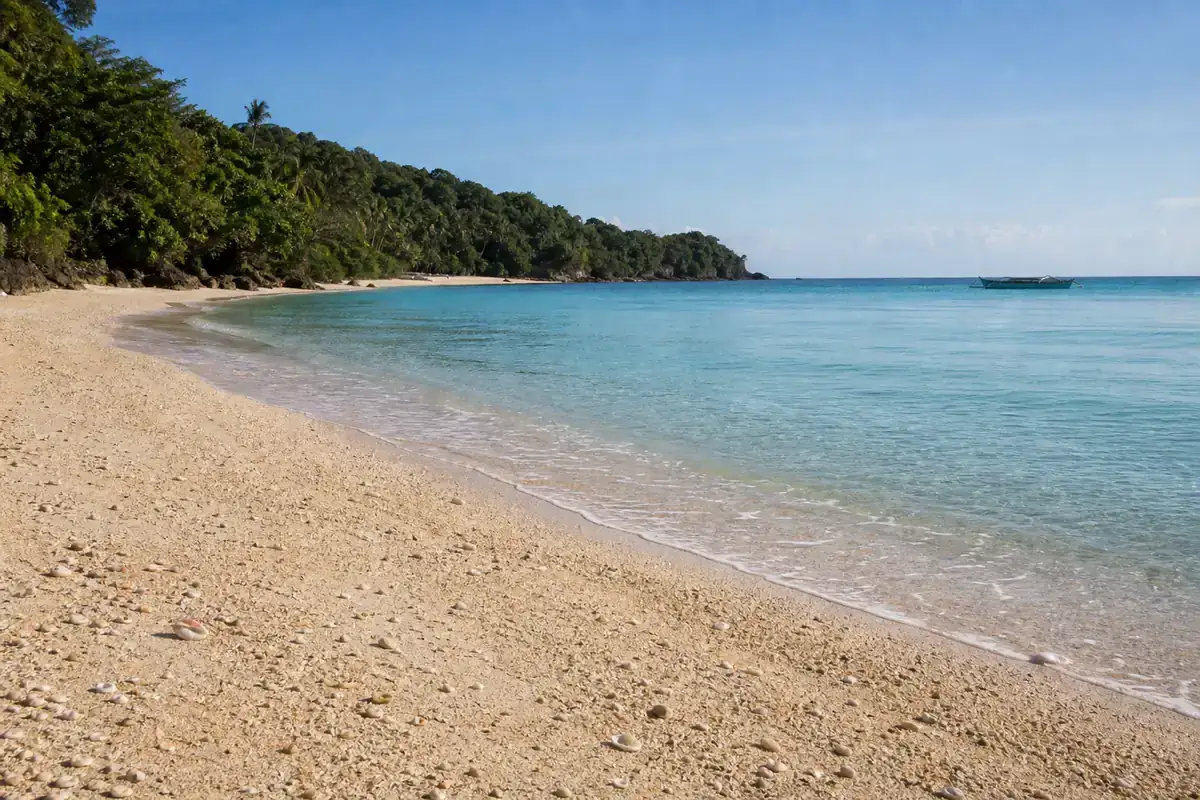
The route is tested from the point of view of the unsuspecting partner: why the trip makes sense, where the team can remain unseen, how personal items arrive, and what happens if transport or weather changes.
02
From a simple moment to a produced concept
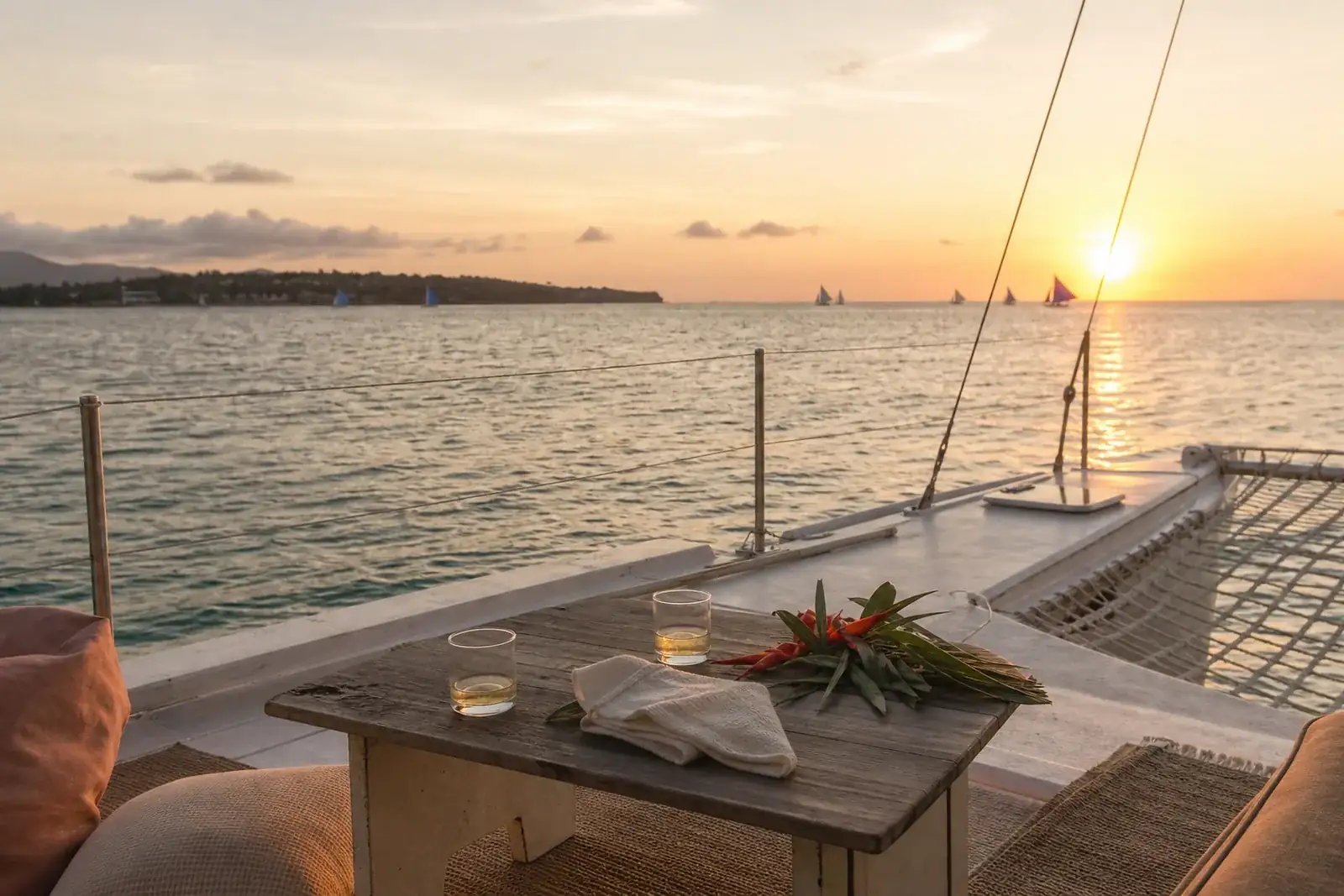
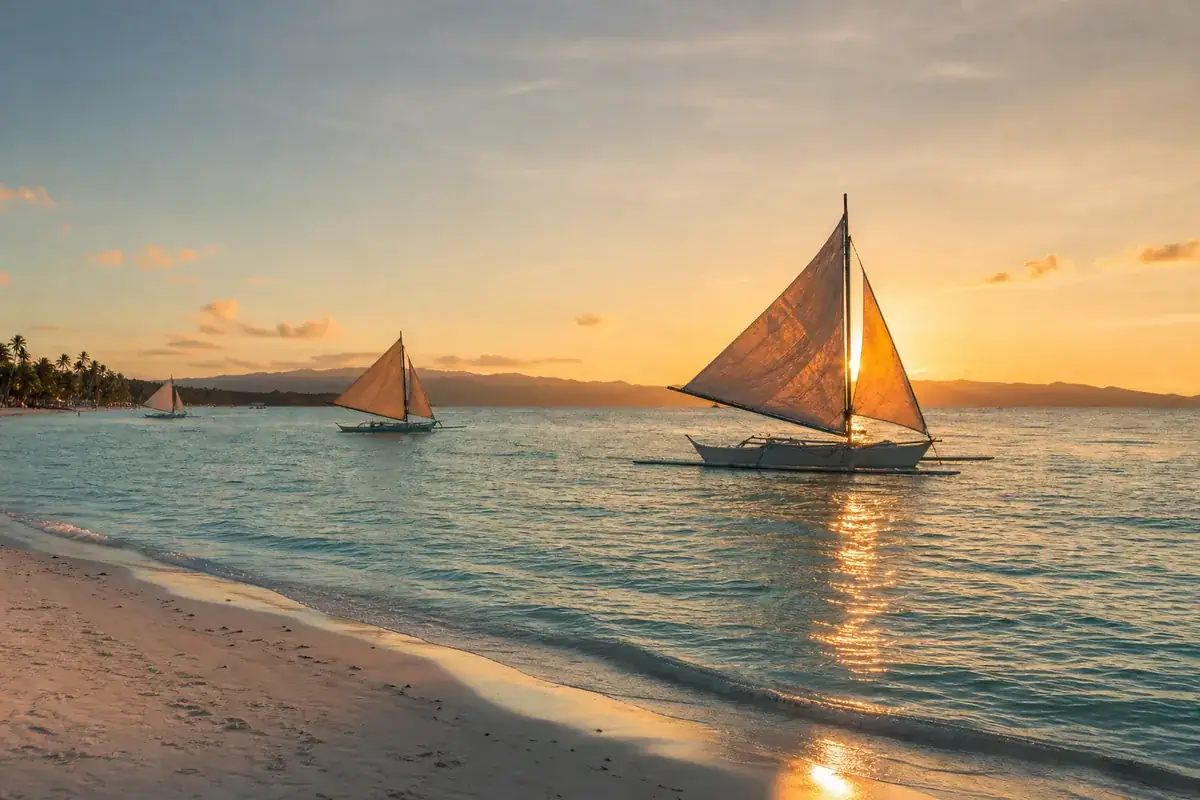
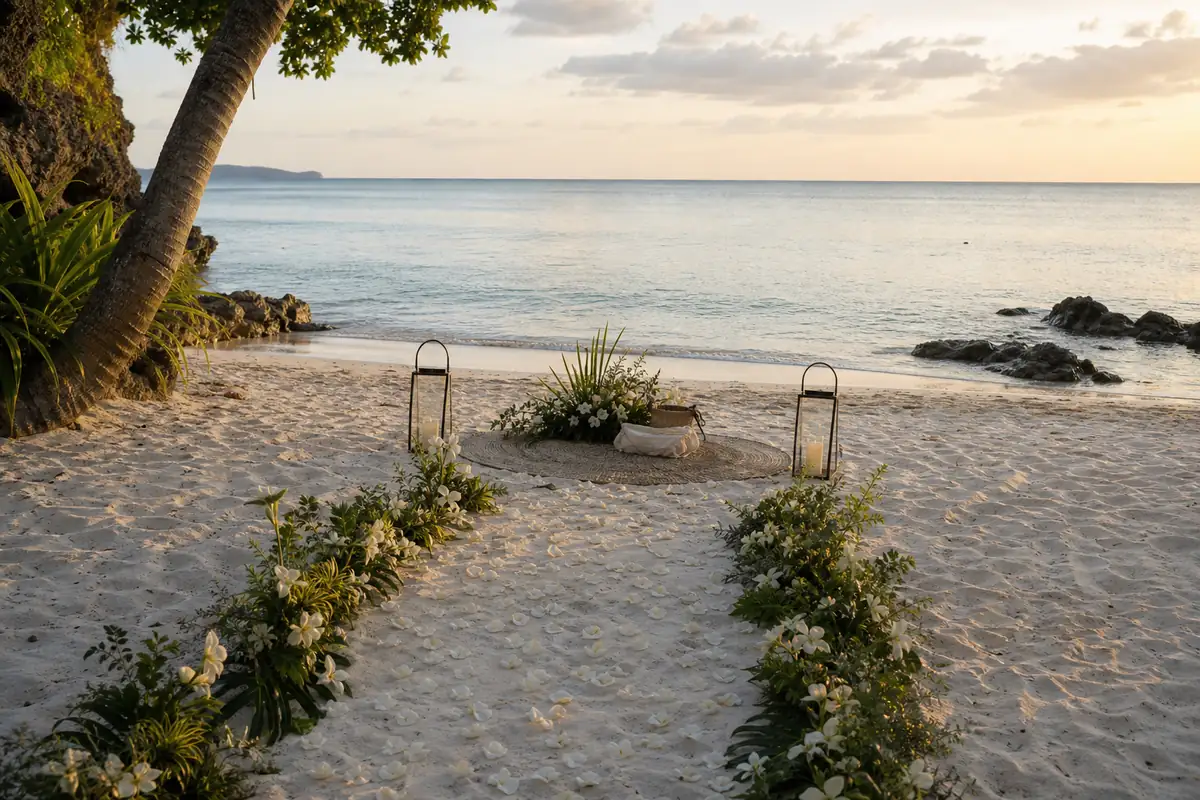
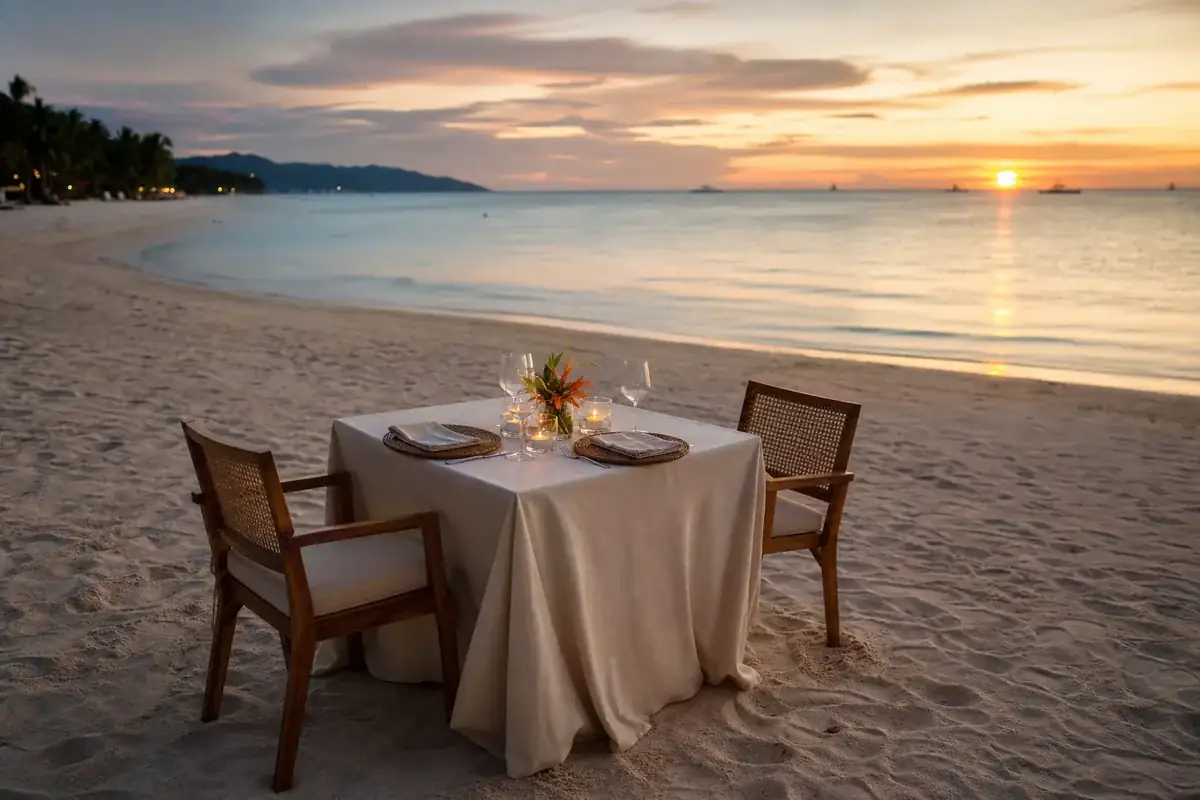
The format may be a quiet beach walk, a private table, a boat at sunset or a styled installation. Complexity is added only when it improves the story, not to make a public spectacle.
Photography, video, music, decor and a post-proposal dinner are optional layers. Consent and privacy rules for publishing are discussed separately after the event.
03
Confidentiality and communication protocol
The brief identifies safe channels, names to use, notification times and people who may know. Sensitive details are kept out of shared itineraries and guest chats.
If a surprise can no longer be protected, the planner raises the risk immediately and proposes a revised route rather than improvising at the last minute.
04
Published proposal price and budget choices
Proposal planning starts at US$500; a love story photo session starts at US$350. These are the published baselines. Boats, private dining, decor, permits, production crew and premium transport are scoped after the brief.
The estimate separates essential elements from optional enhancements so the private moment remains strong even if the concept is simplified.
05
Weather and a discreet fallback
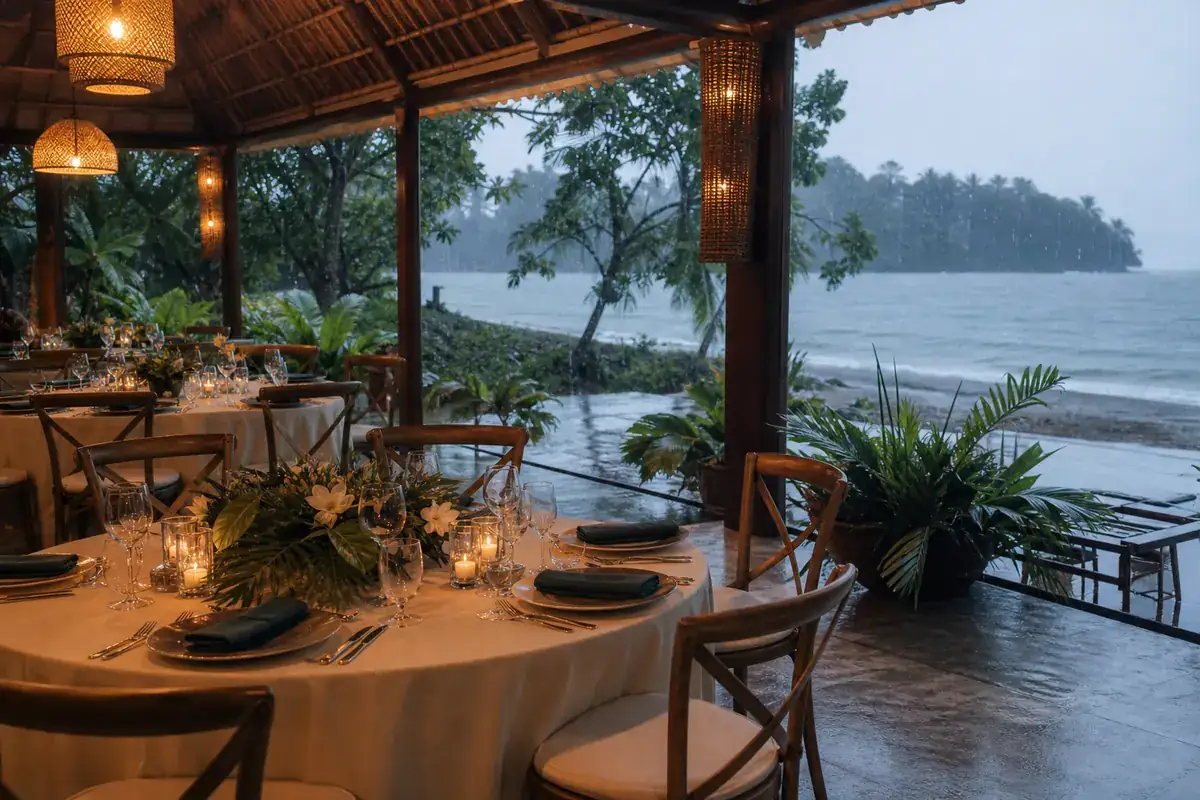
Beach use, operating hours, weather exposure and any required permissions are checked before a location is offered. A covered alternative belongs in the brief from the start.
The fallback must feel intentional: a covered dinner, a changed walking route or a shifted sailing window is rehearsed in advance and communicated through the safe channel.
06
How planning moves from brief to event day
The first conversation defines the event format, date window, guest count, priorities and non-negotiables. The team then checks locations and suppliers before presenting a short list; availability is never implied before confirmation.
After the direction and budget are agreed, the project receives a detailed estimate, contract, production schedule, responsibility map and Plan B. The client sees changes before they affect the budget or timing.
- Brief and feasibility check
- Location and supplier verification
- Concept, estimate and contract
- Production schedule and guest logistics
- On-site coordination and agreed backup plan
FAQ
Frequently asked questions
How much does a proposal cost?
The published starting price is US$500. The exact estimate depends on location, privacy, transport, decor, media and dining.
Can the project remain completely secret?
The team uses agreed safe channels and a need-to-know list. No planner can guarantee another person's behaviour, but avoidable digital and logistical clues are actively removed.
Can you arrange photography?
Photography or video can be added after style, access and privacy are checked. Publication is never assumed and requires separate consent.
What if weather changes?
A discreet covered or timing alternative is agreed in advance. The decision follows current local conditions and safety.
Are the images real proposals?
No. Current imagery is clearly labelled concept visualization. Real client stories are published only with permission.
Next useful step
Turn the idea into a verified route and estimate
Send the date window, format, island preference, guest count and budget range. We will clarify what is feasible before promising a location.