Cebu corporate programs
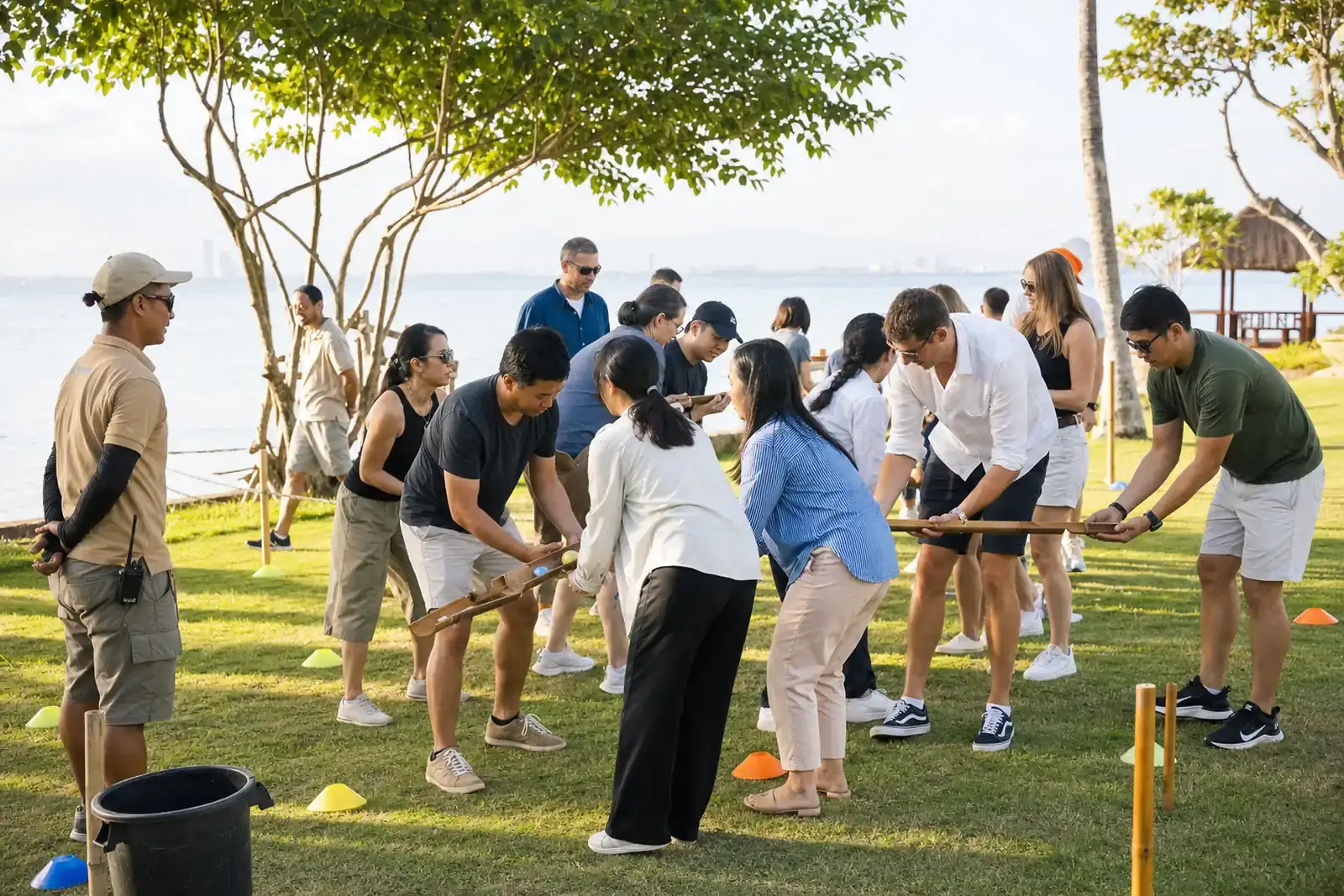
Team building in Cebu with a program your team can actually run
Cebu is not one compact activity zone. Mactan, the city and the south create different transport and risk profiles, so a useful team program starts with participant reality rather than an activity wish list.
01
Start with the team outcome
Trust, collaboration, onboarding, leadership alignment and recognition require different mechanics. The brief defines the behaviour the company wants to see after the trip.
Participant age, fitness, language, accessibility and appetite for competition shape the format. No one should have to disclose a limitation publicly to opt out safely.
02
Mactan, city or south Cebu?
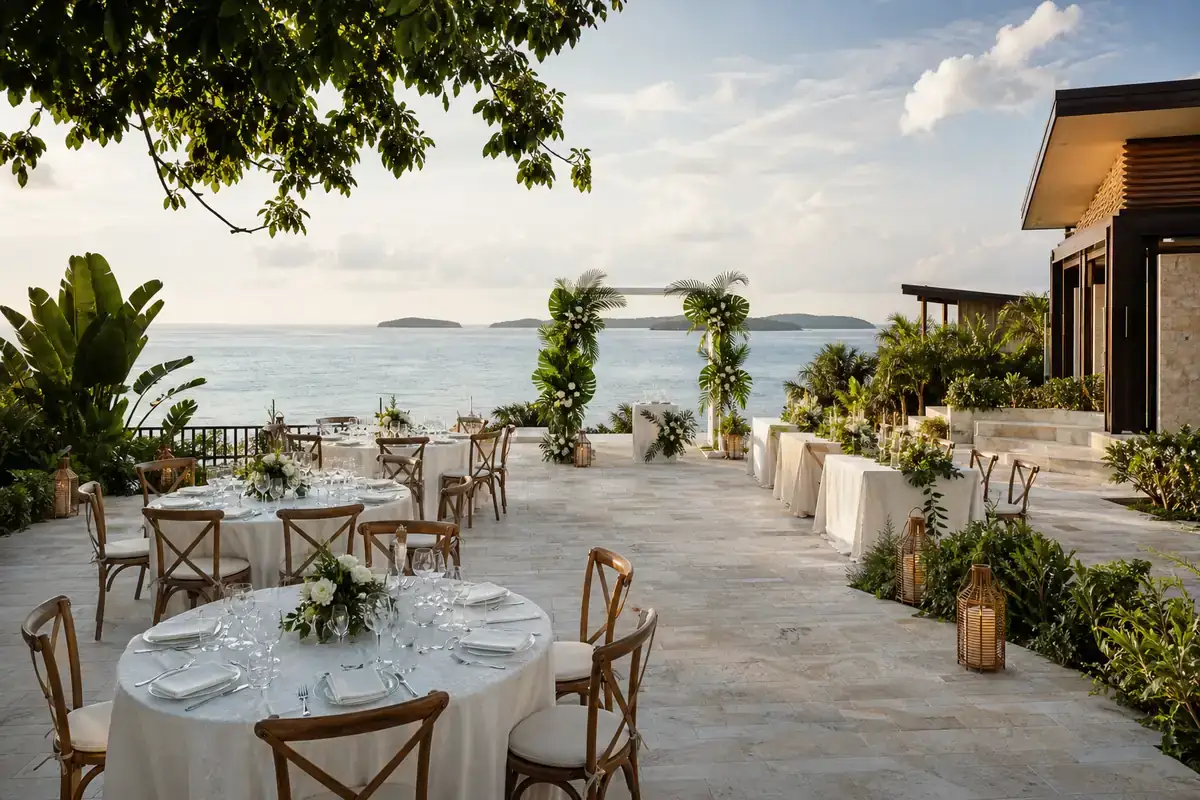
Mactan reduces movement for resort-based groups; city programs favour meeting access and indoor options; south-Cebu nature programs need separate travel days and stronger activity controls.
The recommendation includes a realistic transfer map. A visually attractive activity is rejected if the travel burden undermines the business objective.
03
Program architecture, not random games
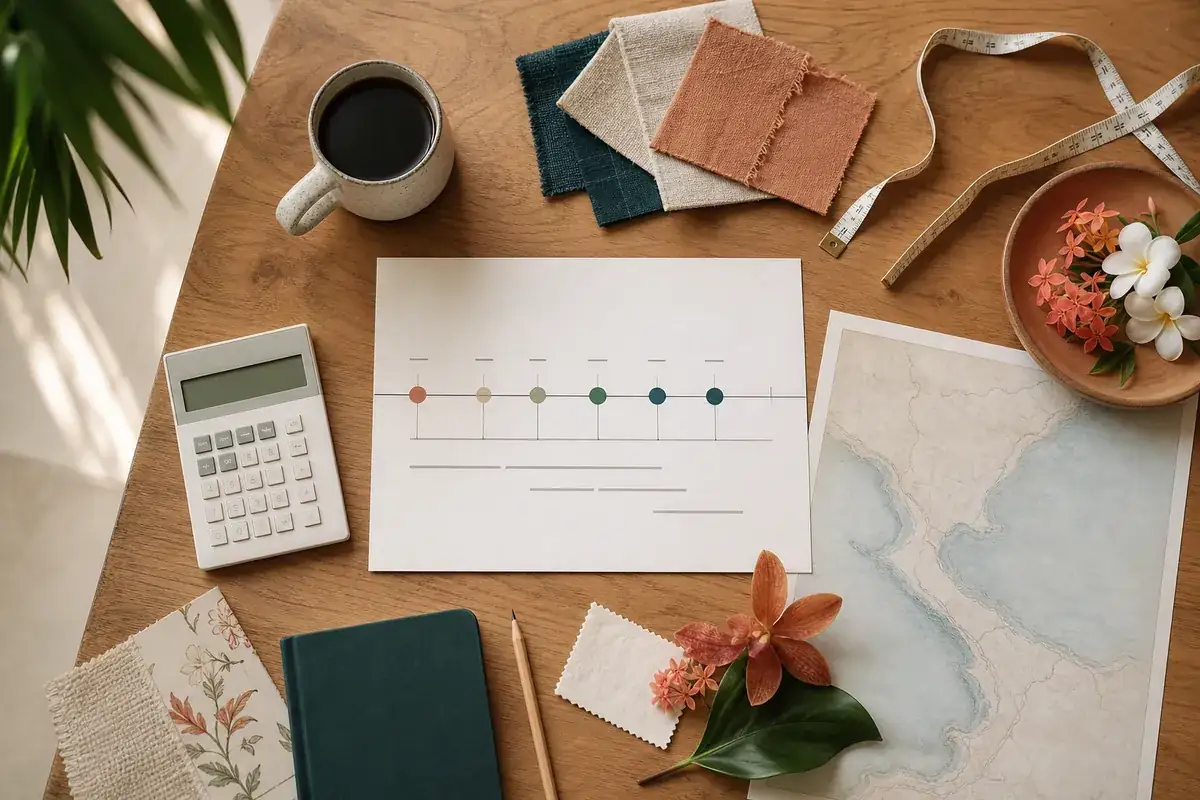
A program can combine facilitated work, coastal challenges, cultural context, reflection and a hosted dinner. Every block has an owner, duration, learning purpose and fallback.
Competition is optional. Cooperative formats are often better for mixed seniority, international teams and groups meeting in person for the first time.
04
Safety, weather and participant care
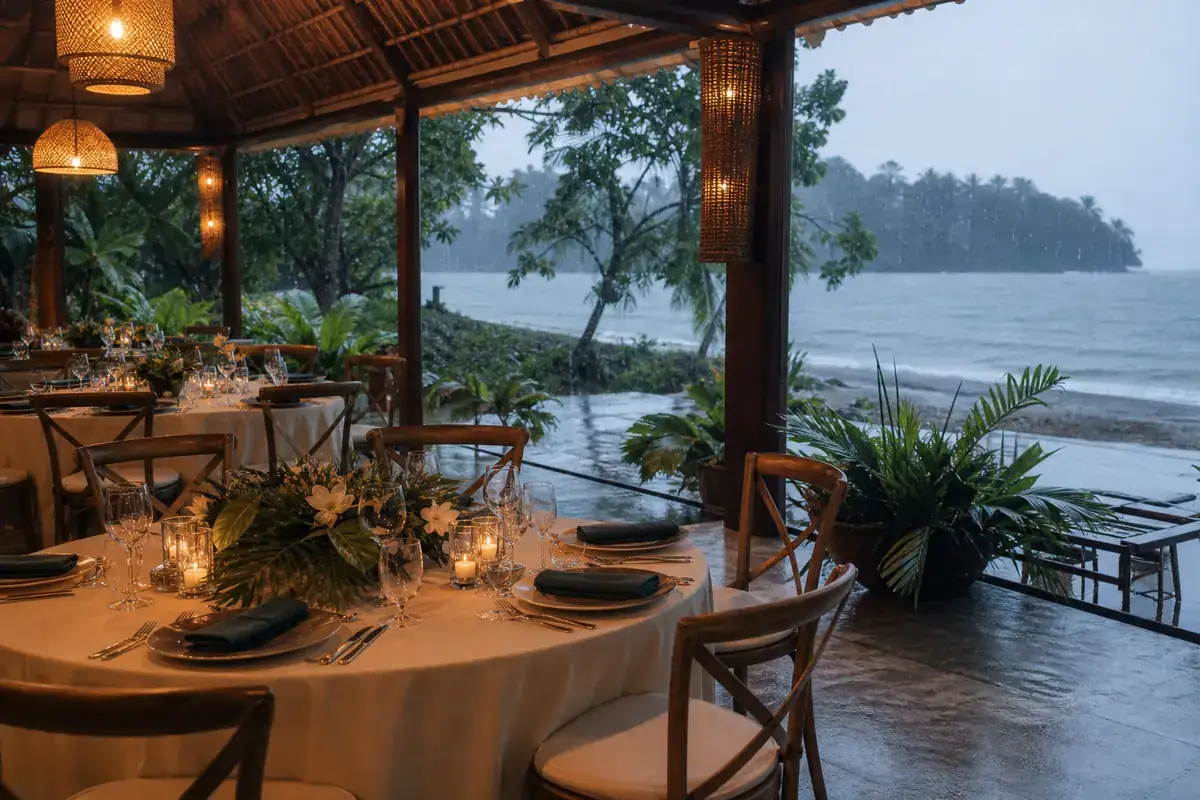
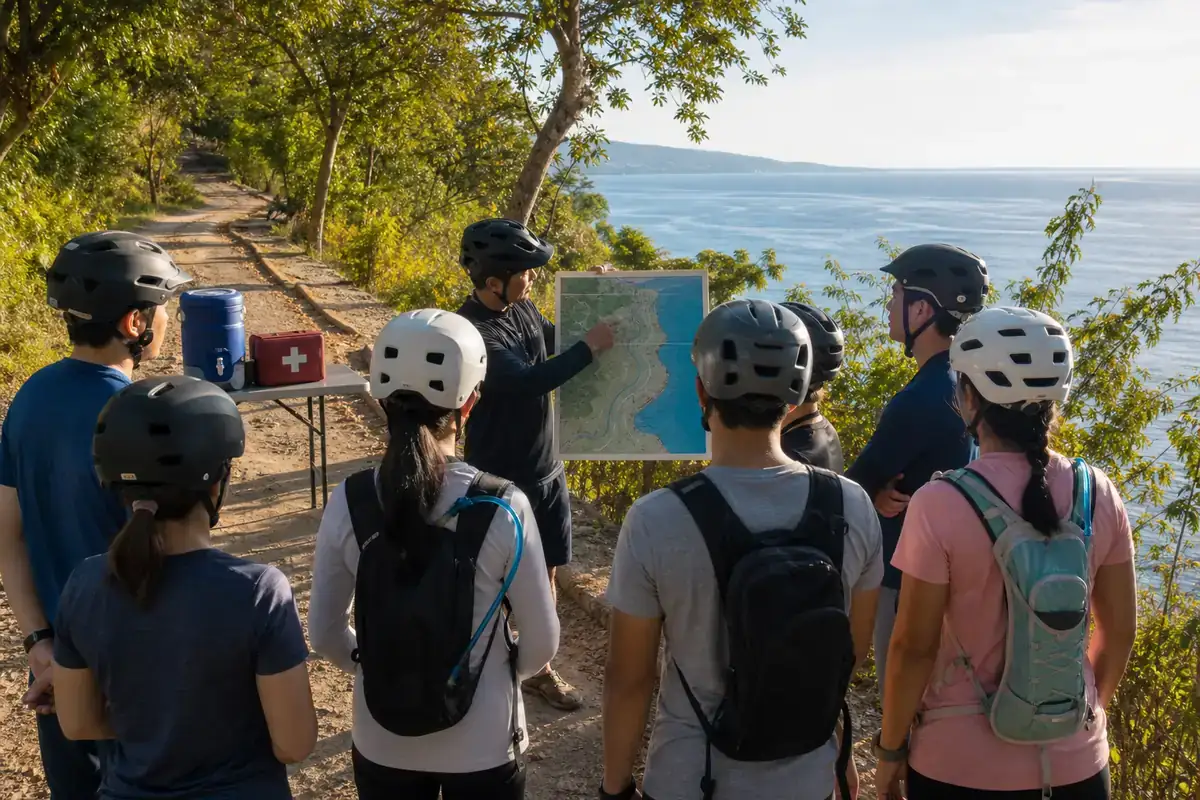
Marine and outdoor blocks require current conditions, qualified suppliers, participant instructions and a defined cancellation threshold. A wet-weather version is designed before travel.
Hydration, shade, rest, food, transfer fatigue and private medical information are operational inputs, not afterthoughts.
05
Budget and procurement
Team-building programs are priced after the brief. The estimate separates facilitation, venue, transport, equipment, meals, staffing, permits if applicable and contingency.
Contracting and closing-document needs should be raised before suppliers are held so the production route fits procurement.
06
How planning moves from brief to event day
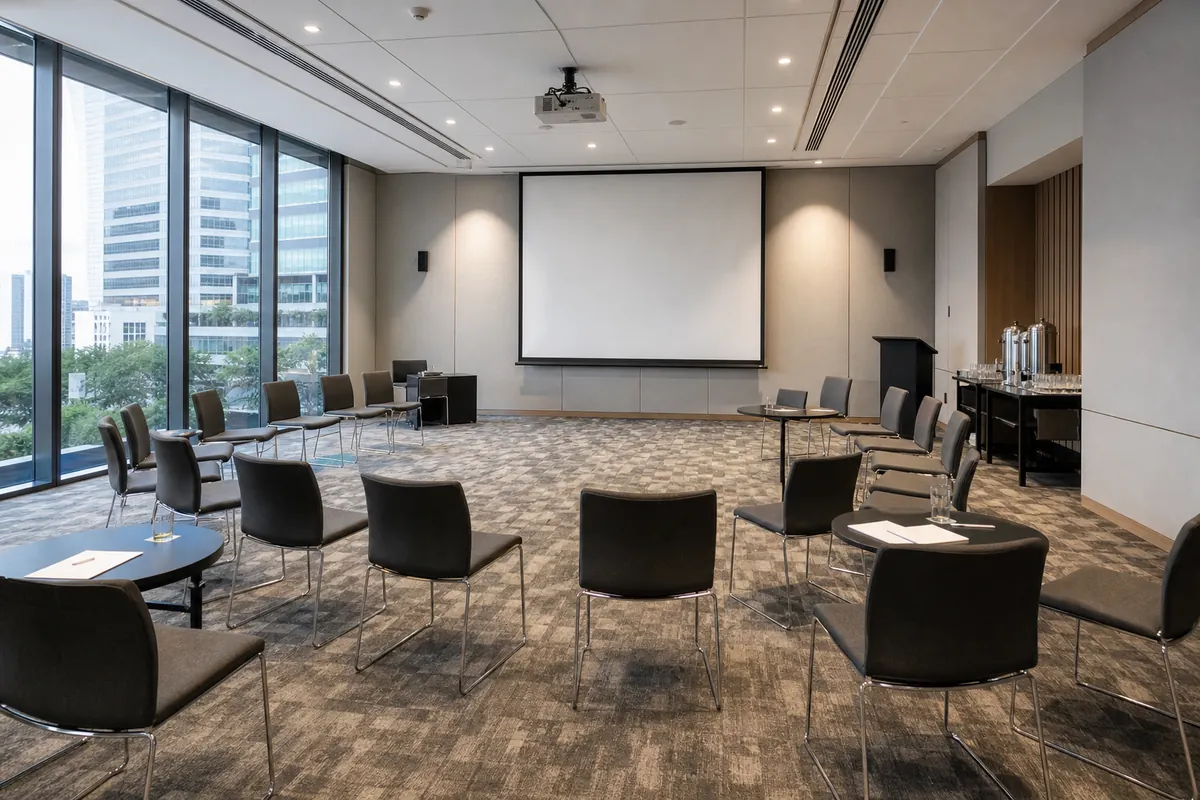
The first conversation defines the event format, date window, guest count, priorities and non-negotiables. The team then checks locations and suppliers before presenting a short list; availability is never implied before confirmation.
After the direction and budget are agreed, the project receives a detailed estimate, contract, production schedule, responsibility map and Plan B. The client sees changes before they affect the budget or timing.
- Brief and feasibility check
- Location and supplier verification
- Concept, estimate and contract
- Production schedule and guest logistics
- On-site coordination and agreed backup plan
FAQ
Frequently asked questions
How is the budget calculated?
Programs are priced after the brief because participant count, transport, facilitation and risk controls define the scope.
What information belongs in the first brief?
Share the date window, group size, objective, island preferences, mobility or dietary needs, budget range and decision process. Unknown details can remain open.
Do you provide a contract and itemised estimate?
The manifesto standard is a contract and transparent estimate. Corporate documentation and closing documents are discussed during procurement.
How are weather and safety handled?
Each project receives a relevant Plan B, decision timing and responsible person. Activities require a current supplier and risk check.
Do the concept images show completed client work?
No. They are visual planning references. Documentary cases will be labelled separately and added only with client permission.
Next useful step
Turn the idea into a verified route and estimate
Send the date window, format, island preference, guest count and budget range. We will clarify what is feasible before promising a location.